Friday, 23 May 2014

Study Asian Bodywork Therapy At An Acupuncture School

Have you considered studying modalities of Oriental medicine and turning it into a rewarding career? One of the fastest growing fields of holistic medicine in the United States is Acupuncture. Recognized by most for its needling technique, Acupuncture involves placing very thin, stainless steel needles into specific acupoints on a patient. What many Americans may not be aware of yet is Acupuncture’s natural healing effects on patients that suffer from a variety of ailments, from chronic pain and allergies to addiction.

As part of the wellness boom, which started in the 1980’s, more Americans began to search for natural, holistic options for treating their ailments. As the demand grew, governing bodies such as the State government and Education Departments became more aware of the need to create structured education in order to protect the public and make holistic therapies such as Acupuncture a recognized field in the health industry. Today, most States require that Acupuncturists become licensed in order to practice after successfully completing a graduate level degree program.

Choosing the right Acupuncture school is an important decision for anyone looking to become an Acupuncturist. The best choice of a school will be the one that best prepares you for the career you wish to have. In the growing world of holistic health, it is important to be as knowledgeable as you can in order to build a flourishing career. Choose a school that not only teaches you Acupuncture techniques, points and meridians, Oriental science and Western health science, but one that incorporates other holistic modalities as well, such as Asian Bodywork Therapy.

Learning other holistic modalities in conjunction with Acupuncture is crucial as it gives you a better understanding of the holistic approach of mind, body, spirit, while adding value to your future patients’ treatment. It also makes advancing your career easier, especially with proper continuing education.

New York College of Health Professions offers degrees in Oriental Medicine, Acupuncture, Advance Asian Bodywork and Massage Therapy as well as continuing education programs. The Graduate School of Oriental Medicine features a 145-credit, nine-trimester Acupuncture School that focuses on Asian Bodywork Therapy, Chinese nutrition, herbology and physical arts like T’ai Chi and yoga in addition to the principles and methods of Acupuncture. Upon completion, students will graduate with a Bachelor of Professional Studies in Health Science/Master of Science in Acupuncture degree.

Thursday, 16 January 2014

Why You Should Study Asian Bodywork Therapy

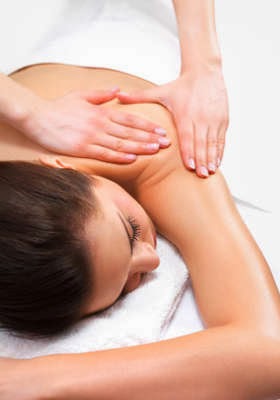
Asian Bodywork Therapy (ABT) is one of the four branches of Traditional Chinese Medicine (TCM), which encompasses various ancient principles, including healing the individual as a whole. This method of treatment ensures that the ABT practitioner considers physical, emotional and outside factors affecting the patient’s health. Quite often, the patient is unaware of the emotional or mental factors that may be causing their physical pain or discomfort. Proper observation by the practitioner can help pinpoint the root cause of the issue and treat it effectively.

In the recent years, ABT practitioners have begun to work hand-in-hand with Western physicians for the common goal of optimizing a patient’s overall health. In fact, research has established that over 30% of Western physicians have recommended holistic medicine to their patients, including ABT. Depending on the patient’s ailment, the practitioner selects the most appropriate methods of treatment, which may include techniques such as Shiatsu, Tui Na massage or Acupressure. Although these techniques serve different purposes, they all include the manipulation of bodily tissues in a specific manner. Practitioners of holistic therapies such as ABT often work closely with other professionals such as licensed Acupuncturists, herbalists, Yoga instructors and more. This symbiotic relationship allows them to cross-refer patients who may be in need of other therapies to best treat their ailment.

Modalities of complementary medicine such as Asian Bodywork Therapy have various benefits including relief of stress, chronic pain, depression, and other physical and emotional ailments or discomforts. Lately, ABT has been used in conjunction with other holistic methods such as Acupuncture, to help treat addictions to substances such as alcohol and tobacco.

Wednesday, 25 December 2013

How to Decide if a Massage Therapy Education is Right for You

In the past 5 years, many individuals were forced to look for a new career, which was especially difficult with the downsizing of many companies. Those who were unable to find a job in their field were faced with starting a new career. In search of stability, individuals flocked to jobs in the health care field, including medical assisting, phlebotomy and more. However, few of those jobs are as rewarding and have the opportunity for growth as becoming a Licensed Massage Therapist (LMT).

 While jobs in the health care field such as Medical Assistant can provide a level of stability, there is much competition for the number of positions available.  Nor can a Medical Assistant create their own hours or raise their income based on the amount of patients they see. However, a licensed massage therapist can choose to open their own business and establish their own clientele. They can build their schedule based on their availability and that of their client, allowing them to have ample time for their family and friends or even furthering their education. Massage therapy is a rapidly growing field due to patient demand, and licensed massage therapists can better control their income by determining the number of hours they practice and by marketing themselves and attaining more clients.

In order to establish a successful career as a licensed massage therapist, it is important to acquire a quality massage therapy education. Due to the increasing popularity of massage therapy, schools have opened nationwide offering massage therapy programs. Although this provides an individual looking to pursue massage therapy with options, it is imperative to do thorough research on a school, reputation, quality of faculty and their curriculum prior to enrolling. Two of the most important factors to consider are if the school is accredited by a governing body and whether it prepares the student to be licensed or certified in the state in which they want to practice.

Saturday, 23 November 2013

Five Factors To Consider Before Enrolling In Acupuncture School

In recent years, Acupuncture educational programs across the country have experienced a peak in enrollment numbers. More patients in the United States have gravitated towards holistic medicine and more natural approaches to healthcare which in turn has created an increase in job opportunities. Acupuncture is the one of the most widely practiced forms of complementary medicine in the world today. The age-old method of Traditional Chinese Medicine utilizes hair-thin needles to target specific acupoints in the body. Acupuncture is used in the treatment of chronic pain, and can also benefit patients who are looking to quit smoking or are struggling with stress, anxiety or depression.

Until rather recently, in the late 1990’s, comprehensive education was not available in holistic medicine. The only Acupuncture schools available prior to the standardization of holistic medicine education were private workshops, which were typically taught by individuals who had studied techniques abroad. Today, majority of the States in the United States require a license for Acupuncturists to be able to treat patients. In order to receive a license, a State-determined amount of hours must be spent studying the techniques and principles both in a classroom environment as well as a supervised clinical atmosphere.

Due to the steadily growing popularity of holistic medicine, the amount of Acupuncture schools opening nationwide has increased exponentially. However, not every school is accredited, or the right fit for every individual. Prior to making a decision as to the right school for you, consider the following five factors:

1. Does the school meet your State’s licensing requirements? Is it recognized by national organizations in its field?

2. Are both full-time and part-time courses available?

3. Does the school work with government financial assistance? Can you utilize grants and loans to help pay for your education?

4. Does the school offer a clinical internship where you will be able to put your knowledge to the test? Remember, this is required by most States.

5. What is the placement rate of the school’s alumni? Are most of them now working as licensed Acupuncturists?

If you are considering becoming a licensed Acupuncturist in the New York area, New York College of Health Professions is an Acupuncture school accredited by the Accreditation Commission for Acupuncture and Oriental Medicine (ACAOM) and is highly regarded in the community for its holistic medicine programs. New York College of Health Professions offers degrees in Oriental Medicine, Acupuncture and Massage Therapy as well as continuing education programs. The Graduate School of Oriental Medicine features a 145-credit, nine-trimester Acupuncture School that focuses on Acupuncture methods, Asian Bodywork Therapy, Chinese nutrition, Herbal medicine and physical arts such as T’ai chi and Yoga. The college has four locations in New York City and Long Island. In addition to the school’s exceptional curriculum, flexible schedules, affordable tuition and high placement rates, they hold open houses on a regular basis offering prospective students an inside look at the institution and its faculty and current students. Upon completion, students will graduate with a Bachelor of Professional Studies in Health Science/Master of Science – Acupuncture degree.

Monday, 18 November 2013

Could Acupuncture School Be For You?

Are you feeling stuck in a job you don’t like? Have you ever considered pursuing a career in a growing health care field? Acupuncture is one of the most popular forms of complementary medicine practiced worldwide, offering you an opportunity for a gainful, exciting career.

Originating in China more than 5,000 years ago, Acupuncture incorporates Traditional Chinese Medicine (TCM) principles of treating the body as a whole, taking into consideration the patient’s physical, mental and emotional concerns. Prior to receiving their first Acupuncture treatment, a patient is asked a series of questions about their physical and mental health. Based on those answers as well as a physical examination of the patient, an Acupuncturist devises a treatment plan, which will consist of “needling” and possibly other holistic therapies such as massage therapy.  “Needling” is the insertion of thin needles into specific acupoints of the patient’s body. This process is taught in detail at an Acupuncture school.

Acupuncture is generally painless and with consistent visits, patients can find relief from chronic pain in the neck, back and shoulders, chronic pain due to arthritis or migraines, stress and anxiety, depression and more. As a licensed Acupuncturist, you can choose to work in a hospital, clinical spa, rehabilitation center, private corporation and more. Google is one of the many corporations that offer holistic medicine services to their employees on site.

Some Acupuncturists may choose branch out on their own to take advantage of being their own boss and enjoy a flexible schedule. In the recent years, patients struggling with chronic pain, stress and anxiety have been turning to Acupuncture and other forms of holistic medicine more than ever before. The holistic healthcare field is one that is thriving and presents a fruitful opportunity for well-trained and licensed practitioners.

If you are considering furthering your education in the New York area, the New York College of Health Professions is an Accreditation Commission for Acupuncture and Oriental Medicine (ACAOM) accredited Acupuncture School recognized for its holistic medicine programs. The New York College of Health Professions offers degrees in Oriental Medicine, Acupuncture and Massage Therapy as well as continuing education programs and more. The Graduate School of Oriental Medicine features a 145-credit, nine-trimester Acupuncture School that focuses on Acupuncture methods, Asian Bodywork Therapy, Chinese nutrition, herbal medicine and physical arts such as T’ai Chi and yoga. The college has four locations between New York City and Long Island. In addition to the school’s exceptional curriculum, flexible schedules, affordable tuition and high placement rates, they hold open houses on a regular basis offering prospective students an inside look at the institution and its faculty and current students. Upon completion, students will graduate with a Bachelor of Professional Studies in Health Science/Master of Science – Acupuncture degree.

Monday, 11 November 2013

Understanding How Asian Bodywork Therapy Heals

Oriental Medicine, a natural approach to healthcare, focuses on healing the human mind, body and spirit as one by establishing a balance of energy. Asian Bodywork Therapy uses movement, pressure and manipulation on the body to treat the mind, body and spirit, including the electromagnetic and energy field. This treatment is an ancient form of Traditional Chinese Medicine that assesses the energetic system and focuses on the flow and harmony of Qi, Jing, Shen, Xue and Jin-ye. According to Traditional Chinese Medicine principles, the disharmony of these five essential forces is believed to cause pain and illness.

Asian Bodywork techniques vary based upon the course of treatment deemed necessary by the practitioner, but can range from rubbing, pressing, stretching, the use of heat or cold on specific points of the body and a combination of diet and exercise suggestions. Three common forms of Asian Bodywork are Amma, Shiatsu and Tui Na.

- Amma is known as the progenitor of all hand-healing therapies that focus on the energetic system.

- Shiatsu evolved in the early 20th century as an extension of Amma treatment that applies pressure to the muscle tissue that restores balance to the body’s energetic system.

- Tui Na incorporates Chinese martial arts principles and is often taught to advanced martial arts students for the management of pain and injury due to training.

If you are looking to pursue a degree in Asian Bodywork Therapy in the metro New York area, the New York College of Health Professions offers an accredited Bachelor’s degree program. The college has four locations across New York City and Long Island. In addition to the school’s exceptional academic curicculum, flexible class schedules, affordable tuition and high placement rates, they hold open houses on a regular basis offering prospective students an inside look at the institution and its faculty and current students. Students interested in completing the Bachelor’s degree program must hold an Associate’s degree in Massage Therapy which includes courses like Asian Bodywork, Medical Massage and Swedish Massage, Relexology, Oriental Anatomy and Physiology in addition to traditional Western health sciences. The continued Bachelor’s degree program is a 60-credit course that enhances the basics of Massage Therapy with an in-depth assessment and practical study of advanced Asian Bodywork techniques like Tui Na and Shiatsu.

Tuesday, 29 October 2013

Consider Acupuncture School For A Fulfilling Career Helping People

Many individuals look for a rewarding career in a field that is growing and one that allows them to help others while allowing them to create their own work schedules and have their own business. There are several careers with such benefits in the field of holistic medicine, including Acupuncture. Acupuncture is a modality of holistic medicine that involves "needling", the insertion of hair thin needles on the body, in order to relieve pain and treat a variety of physical and mental conditions. One of the oldest forms of medicine used, Acupuncture originated in Traditional Chinese Medicine more than 5,000 years.

Acupuncture and other holistic treatments take a different approach from Western medicine and have not always been understood and accepted as a way of healing. Over the years, however, various forms of Oriental Medicine have worked their way into the healthcare system in the United States and have been proven to be effective in some patients in treating chronic pain, arthritis, headaches, nausea, post stroke recovery, depression, anxiety and more. As a result, Acupuncture Schools have been established nationwide to teach the principles and techniques of Acupuncture, and regulate the practice.

Many patients turn to Acupuncture when other forms of treatment haven’t worked. Chronic pain in the neck, back and shoulders can become debilitating for many. Fertility issues, nausea from chemotherapy and asthma are other conditions from which many patients find long-term relief from after a series of Acupuncture sessions through the use of acupuncture needles on very specific acupoints. Smoking cessation is another popular reason people look into Acupuncture. Many smokers will attempt to quit more than once before they are finally able to do so. The use of Acupuncture to permanently rid the habit has been proven very effective as it focuses on treating the cravings, irritability and restlessness that are associated with quitting. Treatment can also aid in relaxation and detoxification to make the transition as smooth as possible.

If you are considering furthering your education in the New York area, New York College of Health Professions is an accredited Acupuncture School known for its holistic medicine programs. New York College of Health Professions offers degrees in Oriental Medicine, Acupuncture and Massage Therapy as well as continuing education programs and more. The Graduate School of Oriental Medicine features a 145-credit, nine-trimester Acupuncture School that focuses on Oriental and western health science, the principles and methods of several forms of Acupuncture, Asian Bodywork Therapy, Chinese nutrition, herbology and physical arts like t’ai chi and yoga. Upon completion, students will graduate with a combined Bachelor of Professional Studies in Health Science/Master of Science – Acupuncture degree.